How Businesses Can Turn Excess Inventory Into Valuable Resources
Excess inventory is often treated as a storage problem, tying up working capital, occupying valuable warehouse space, and increasing the risk of products becoming obsolete. However, for businesses willing to rethink their inventory strategies, surplus stock can become a source of revenue, operational savings, and sustainable growth.
Across manufacturing, construction, chemicals, and other industrial sectors, companies frequently accumulate unused materials, spare parts, machinery, and discontinued products. These items may no longer be required by the department or project for which they were purchased, but they can still hold significant value for another business.
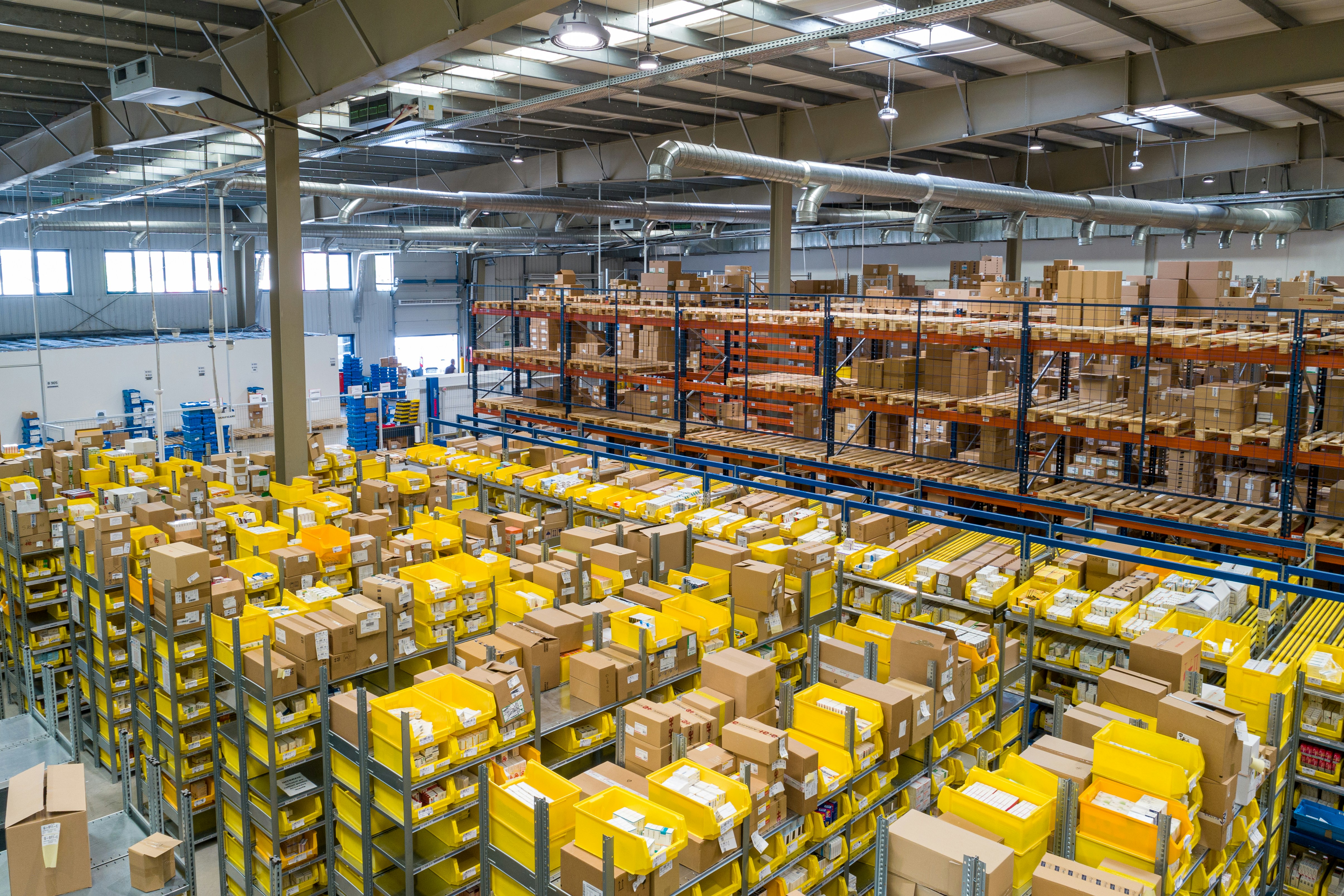
Understanding the Hidden Value of Excess Inventory
Excess inventory includes materials, components, products, or equipment that exceed a company's current or anticipated operational requirements. It can arise from inaccurate demand forecasting, cancelled projects, changes in production plans, bulk purchasing, seasonal demand fluctuations, or technological upgrades.
Although surplus stock may be inactive, it is not necessarily useless. Unused steel, electrical components, industrial chemicals, packaging materials, valves, pumps, and spare parts may still meet the requirements of other production facilities or businesses.
The first step is to distinguish between inventory that has genuinely lost its value and inventory that remains suitable for reuse, resale, refurbishment, or recycling.
A structured assessment can help businesses identify assets that can be recovered instead of discarded. This approach aligns with circular economy principles, which emphasize retaining the value of products and materials through reuse, repair, refurbishment, remanufacturing, and recycling. UNEP circularity guidance.
1. Resell Surplus Inventory to Recover Capital
One of the most direct ways to turn excess inventory into value is to sell it to buyers who can use it. Materials that are unnecessary for one organization may be essential for another company seeking affordable supplies or replacement components.
Industrial businesses can list surplus inventory through business-to-business marketplaces, industry networks, specialist resellers, and direct procurement channels. These platforms can connect sellers with buyers who need specific products without requiring them to purchase new stock at full market prices.
For example, a manufacturing company holding unused motors, bearings, or electrical components may be able to sell them to another facility that needs compatible parts. Similarly, a construction contractor with leftover steel sections, fittings, or building materials may find buyers working on projects with matching specifications.
To improve resale opportunities, businesses should provide accurate product descriptions, quantities, specifications, photographs, condition details, and storage information. Transparent listings help buyers assess suitability and reduce the risk of disputes.
Recovering even part of the original purchase cost can release capital for more productive activities, including maintenance, equipment upgrades, and new production requirements.
2. Redistribute Materials Across Departments and Facilities
Not all surplus inventory needs to be sold externally. In businesses operating multiple factories, warehouses, construction sites, or production units, excess materials at one location may be required elsewhere within the same organization.
Internal redistribution allows companies to use available stock before purchasing additional materials. This can reduce procurement costs, minimize unnecessary deliveries, and improve the utilization of resources already owned by the business.
For example, a facility that has completed a maintenance shutdown may have unused gaskets, fasteners, pipes, and spare components. Another facility within the same company may need those exact items for upcoming maintenance work.
A centralized inventory management system can help purchasing teams identify these opportunities. By recording stock quantities, locations, technical specifications, and availability, businesses can compare existing inventory against the requirements of other departments.
Digital inventory platforms can make this process easier by allowing organizations to track assets across sites and identify items suitable for reuse. The European Circular Economy Stakeholder Platform's Loopfront case study describes how organizations can manage and redistribute surplus materials through internal and external marketplaces.
3. Extend Product Life Through Repair and Refurbishment
Some surplus equipment and components may require maintenance or minor repairs before they can be used or sold. Instead of immediately scrapping these assets, businesses can assess whether refurbishment or remanufacturing would restore their usefulness.
Industrial equipment such as pumps, motors, compressors, valves, and production machinery may retain considerable value when their condition is properly evaluated. Depending on the asset, replacing worn components, repairing faults, cleaning surfaces, or testing performance may make it suitable for another application.
However, refurbishment should be based on technical condition, safety requirements, and economic feasibility. Equipment must be inspected to determine whether repair costs are justified by its expected remaining service life.
The United Nations Environment Programme identifies repair, refurbishment, remanufacturing, and direct reuse as approaches that can preserve product value and reduce the need for additional resources. UNEP: Re-defining Value in Manufacturing.
For businesses, the objective is to recover useful assets without compromising operational reliability or safety.
4. Convert Unusable Materials Into Secondary Resources
When surplus products cannot be reused or resold in their existing form, material recovery may provide another route to value.
Industrial operations generate different types of recoverable materials, including metal offcuts, plastic scrap, packaging, wood, and certain process by-products. Depending on their composition and condition, these materials may be suitable for recycling, reprocessing, or use as inputs in another production process.
For instance, metal offcuts from fabrication activities can be directed to appropriate metal recyclers, while suitable plastic scrap may be processed into secondary raw materials. Certain industrial by-products can also serve as inputs for other businesses when their quality, composition, and intended use meet applicable requirements.
This approach supports industrial symbiosis, in which the output or excess resource of one operation becomes a useful input for another. It can reduce disposal requirements and help businesses make better use of materials already in circulation.
The OECD's report on business models for the circular economy explains how resource recovery and the use of recovered materials can reduce dependence on virgin resources.
Businesses must still assess contamination, material compatibility, processing costs, and applicable environmental and safety regulations before choosing a recovery route.
5. Use Digital Platforms to Improve Inventory Visibility
Poor visibility is a major reason surplus inventory remains unused. When companies do not have a clear record of what they own, where it is stored, or whether it is still usable, valuable materials can remain forgotten in warehouses for months or years.
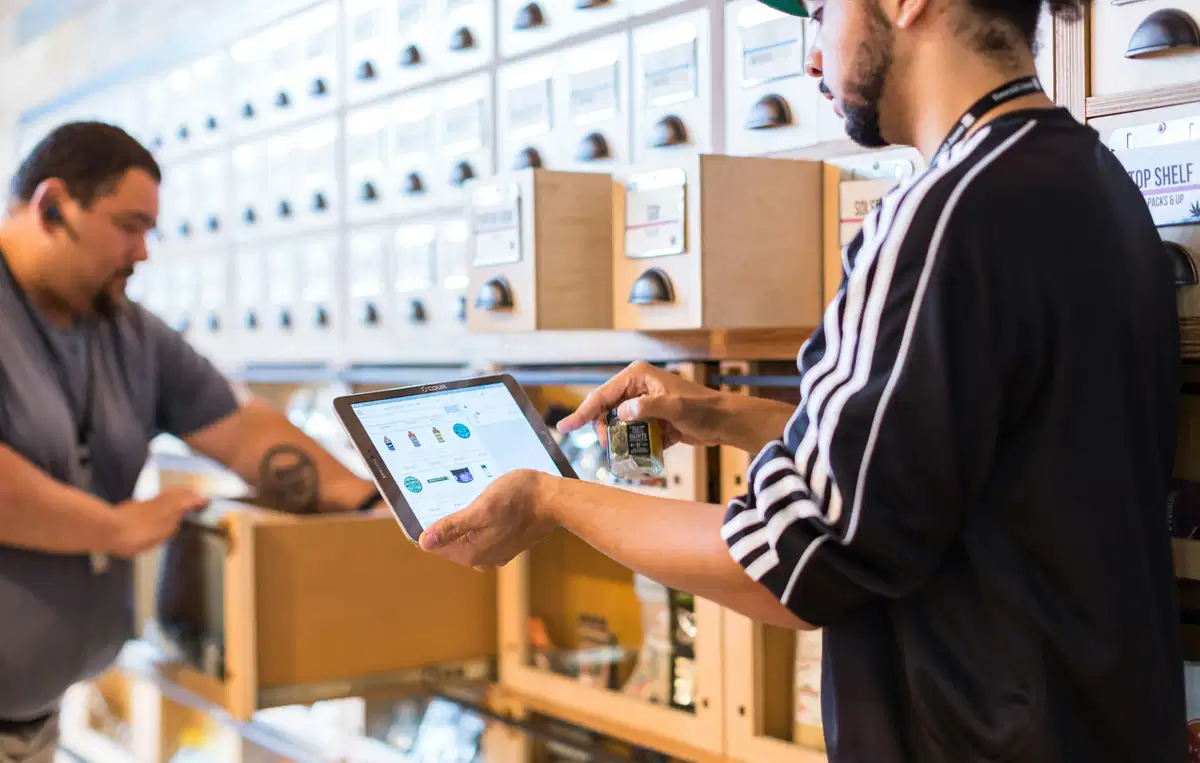
Digital inventory management systems can help address this problem by creating a centralized record of available stock. Depending on the system, businesses can track product quantities, storage locations, purchase dates, condition, expiry dates, and movement between facilities.
More advanced platforms can support automated stock alerts, demand forecasting, and matching surplus materials with internal requirements or external buyers.
A digital surplus marketplace can also help businesses identify potential buyers for excess inventory. Instead of relying entirely on individual contacts or traditional disposal channels, companies can make surplus materials visible to a wider group of relevant businesses.
These tools are particularly useful for organizations with multiple sites, large inventories, or frequently changing project requirements.
6. Reduce Procurement Costs by Using Existing Stock First
Recovering value from surplus inventory is not limited to generating revenue. Businesses can also save money by reducing purchases of materials they already own.
Before placing new procurement orders, purchasing teams should check whether suitable items are available in existing warehouses or at other company locations. This simple practice can prevent duplicate purchases and improve the use of working capital.
For example, a maintenance department planning an equipment overhaul may be able to source compatible spare parts from unused inventory instead of purchasing new components. Similarly, a construction business may be able to reuse stored materials from a completed project in a new development.
To make this strategy effective, businesses need reliable inventory records and clear procedures for checking stock availability before approving new orders.
However, the lowest-cost option is not always the most economical. Compatibility, material condition, transportation, storage, testing, and remaining service life should all be considered before using existing inventory.
7. Strengthen Sustainability and Circular Procurement
Excess inventory management can also support broader sustainability objectives. When suitable materials are reused or resold, businesses may reduce the demand for newly manufactured products and help prevent usable resources from becoming waste.
This is particularly relevant in industries that depend on large quantities of metals, plastics, construction materials, electrical components, and industrial machinery.
Circular procurement encourages organizations to consider reuse, refurbishment, recovered materials, and longer product lifetimes alongside conventional purchasing options. The goal is to preserve the value of existing resources for as long as practical.
The environmental benefits depend on the specific material, its condition, the transport required, and the alternative it replaces. Businesses should therefore measure actual outcomes rather than assume that every reuse or resale transaction automatically delivers the same environmental benefit.
Companies can monitor indicators such as the volume of materials reused, the value recovered from surplus assets, the quantity of waste diverted from disposal, and the reduction in unnecessary purchases.
The UN Environment Programme's circularity framework provides further information on how reuse, repair, refurbishment, and recycling can support more resource-efficient business practices.
8. Establish a Practical Excess Inventory Management Strategy
Turning surplus stock into valuable resources requires a consistent process rather than occasional warehouse clearances. Businesses can begin by identifying excess inventory, assessing its condition, and deciding which recovery option is most appropriate.
A practical strategy should include the following steps:
Audit existing stock: Identify slow-moving, unused, obsolete, and excess items across warehouses and facilities.
Assess condition and demand: Determine whether products remain safe, functional, compliant, and commercially useful.
Prioritize internal reuse: Check whether other departments or sites can use the materials before purchasing new supplies.
Evaluate resale opportunities: Identify potential buyers and compare expected selling proceeds with handling and transaction costs.
Consider refurbishment or recycling: Select suitable recovery options for assets that cannot be reused or sold in their current condition.
Track financial and environmental results: Record recovered value, avoided purchases, storage savings, and material recovery outcomes.
Clear ownership is also important. Procurement, warehouse management, finance, maintenance, and sustainability teams should coordinate their activities so that surplus inventory is identified and processed before it loses further value.
The Role of Surplus Markets in Modern Industry
Surplus markets provide a way for businesses to connect unused inventory with organizations that need it. These markets can include industrial equipment exchanges, B2B trading platforms, specialist resellers, and direct business-to-business networks.
For sellers, they can create opportunities to recover capital from excess stock. For buyers, they can provide access to potentially lower-cost materials, spare parts, and equipment, subject to proper verification.
In Pakistan, Surplus PK describes a business-to-business surplus management model designed to connect organizations seeking to sell excess inventory with buyers looking for those items.
The effectiveness of any surplus marketplace depends on accurate listings, suitable buyer demand, transparent transactions, and clear information about product specifications and condition. Industrial buyers should verify authenticity, ownership, technical suitability, and relevant safety requirements before completing a purchase.
By treating excess inventory as a recoverable business resource rather than automatically classifying it as waste, organizations can identify new opportunities to reduce costs, improve resource utilization, and build more efficient supply chains.
Sources:
https://www.oecd.org/en/publications/business-models-for-the-circular-economy_g2g9dd62-en.html?
Alkalized Black Cocoa Powder CAS: 84649-99-0