Things to Check Before Buying Surplus Machinery and Equipment
Buying surplus machinery and equipment can be a smart way for businesses to reduce costs while acquiring valuable industrial assets. Surplus equipment is often available at significantly lower prices than new machinery, making it an attractive option for manufacturers, contractors, warehouses, and other businesses.
However, a lower price does not always mean a better deal. Buyers need to carefully evaluate the machinery’s condition, specifications, history, and operating costs before making a purchase. Here are the most important things to check before buying surplus machinery and equipment.
1. Check the Overall Physical Condition
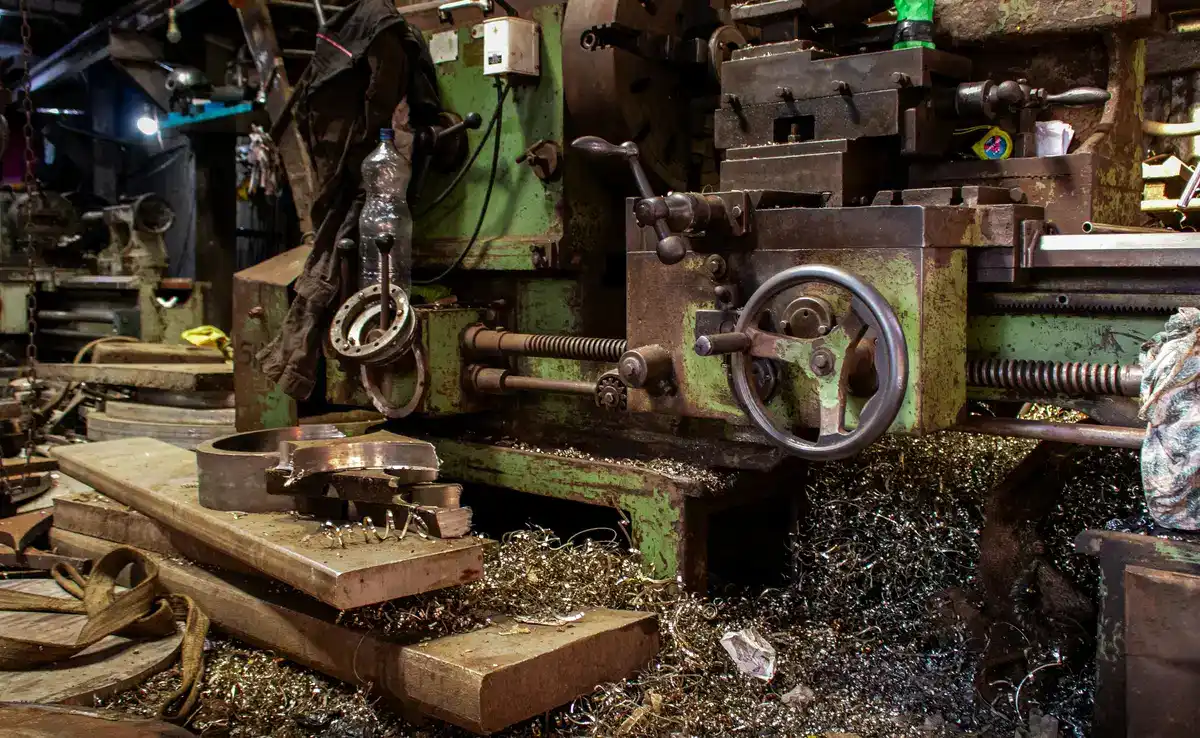
The first step is to inspect the machinery carefully. Look for visible signs of damage, excessive wear, rust, corrosion, cracks, leaks, or missing components.
Pay particular attention to critical areas such as:
Motors and engines
Hydraulic systems
Electrical panels
Bearings and gears
Belts and chains
Control systems
Safety guards
Pipes, valves, and fittings
Minor cosmetic damage may not affect performance, but serious mechanical or structural problems can lead to expensive repairs.
2. Verify the Machinery Specifications
Make sure the equipment matches your actual operational requirements. Check important specifications such as capacity, dimensions, power requirements, operating speed, voltage, pressure ratings, production capacity, and compatible materials.
For example, purchasing a machine with insufficient capacity may result in poor productivity, while equipment that is too large or powerful could increase operating and installation costs.
3. Ask About the Equipment's History
Understanding the history of surplus machinery can help you determine its real value. Ask the seller where the equipment was previously used and why it is being sold.
Important questions include:
How long has the equipment been in operation?
Was it used continuously or occasionally?
What type of production environment was it used in?
Has it undergone major repairs?
Has any component been replaced?
Why was it removed from service?
Has it been properly maintained?
A well-maintained machine with a documented history may be a better investment than a cheaper machine with an unknown background.
4. Review Maintenance and Service Records
Maintenance records provide valuable information about the equipment's condition. Look for records showing regular inspections, servicing, replacement of parts, and repairs.
Check whether major components have been serviced according to the manufacturer's recommendations. A lack of maintenance records can make it difficult to predict future repair costs.
If possible, request:
Maintenance logs
Repair records
Service reports
Inspection certificates
Replacement-part records
Manufacturer documentation
5. Inspect the Machine Under Operating Conditions
Whenever possible, do not rely only on photographs or written descriptions. Inspect and test the equipment while it is operating.
During a test, listen for unusual noises and watch for excessive vibration, overheating, leaks, unstable operation, or unusual movement.
Testing the machinery can reveal problems that may not be visible during a simple visual inspection.
6. Check Availability of Spare Parts
Before purchasing older or discontinued machinery, confirm that replacement parts are still available.
Ask the seller or manufacturer about the availability and cost of:
Motors
Bearings
Sensors
Belts
Filters
Control components
Hydraulic parts
Electrical components
A machine may appear inexpensive initially, but difficult-to-source spare parts can make future maintenance expensive and time-consuming.
7. Consider Installation and Transportation Costs
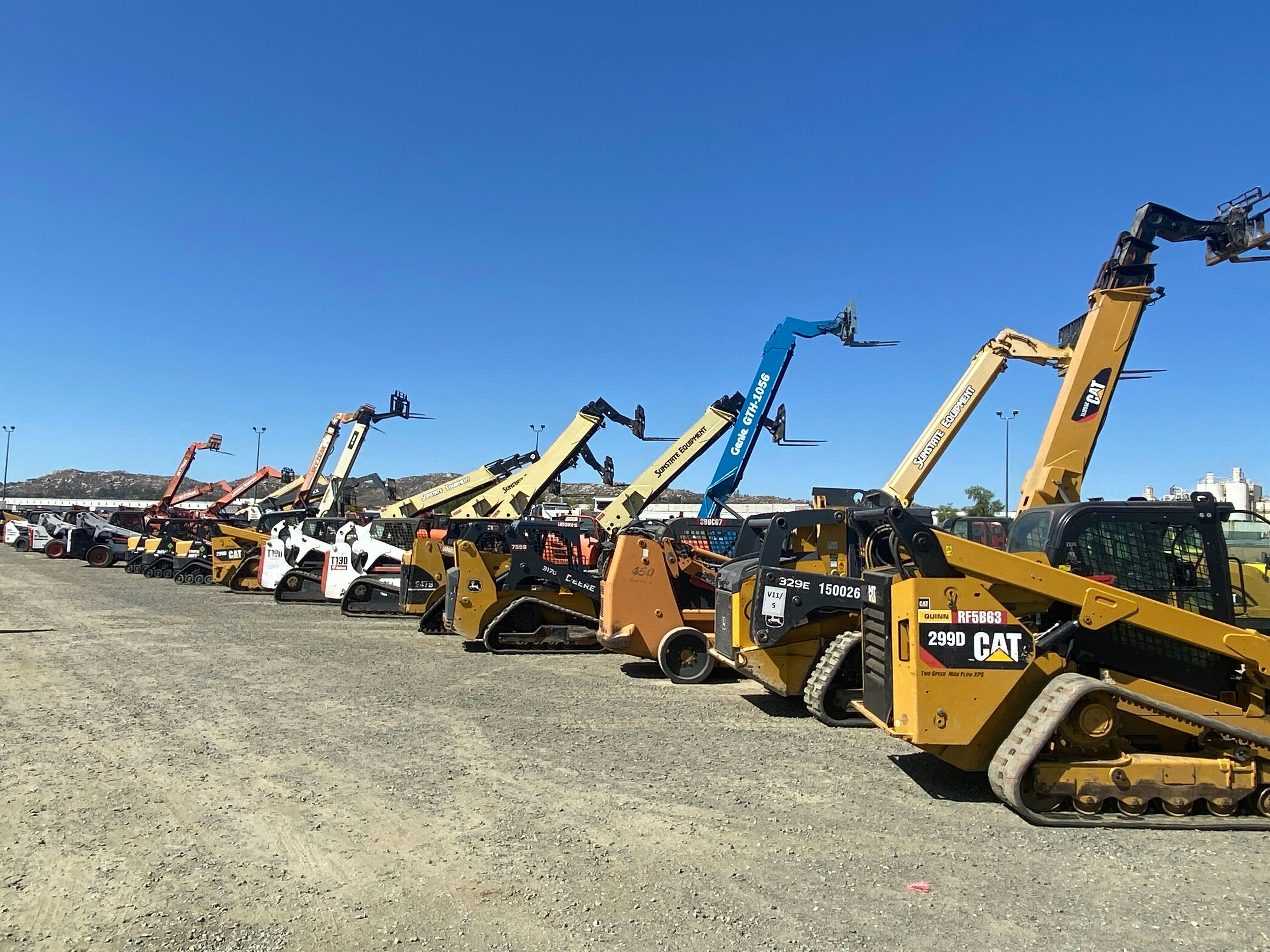
The purchase price is only one part of the total cost. Surplus machinery may require specialized transportation, dismantling, loading, installation, wiring, calibration, and commissioning.
Before buying, estimate the complete cost of bringing the machine into operation.
Consider:
Transportation
Packaging
Loading and unloading
Installation
Electrical work
Plumbing or piping
Calibration
Technician fees
Initial repairs
A machine with a slightly higher purchase price may ultimately be the better deal if it is easier and cheaper to install.
8. Verify Safety Features
Safety should always be a priority when purchasing used or surplus industrial equipment. Check that guards, emergency stops, alarms, sensors, and other safety systems are present and functional.
If safety components are missing or damaged, determine whether they can be replaced before putting the machinery into operation.
Businesses should also verify that the equipment can meet the applicable workplace safety requirements and standards.
9. Check Age and Remaining Service Life
The age of machinery can provide useful information about its expected service life, but age alone should not determine whether equipment is worth buying.
A well-maintained older machine may perform better than a newer machine that has been poorly maintained.
Check the:
Manufacturing date
Model year
Operating hours
Previous usage
Maintenance history
Major component replacements
These details can help you estimate how much useful life the equipment may have remaining.
10. Confirm the Manufacturer and Model
Always verify the manufacturer's name, model number, serial number, and equipment identification plate.
This information can help you locate technical manuals, specifications, spare parts, service information, and manufacturer support.
Be cautious if identification plates or serial numbers appear damaged, altered, or missing.
11. Evaluate Energy and Operating Costs
A low purchase price does not necessarily mean low operating costs. Older machinery may consume more electricity, fuel, water, or other resources than newer alternatives.
Estimate the expected operating cost before purchasing. Compare energy efficiency, production capacity, maintenance requirements, and expected downtime with other available options.
This helps you understand the machine's total cost of ownership rather than focusing only on the initial purchase price.
12. Check Compatibility With Existing Equipment
Surplus machinery must work properly with your existing production system. Check dimensions, electrical requirements, software, communication systems, connections, material handling requirements, and production capacity.
Compatibility issues can result in additional modification costs and production delays.
Before purchasing, confirm that the equipment can be integrated into your existing workflow.
13. Verify Documentation
Proper documentation can make installation, operation, and maintenance much easier.
Ask for available documents such as:
User manuals
Technical drawings
Electrical diagrams
Installation instructions
Maintenance manuals
Equipment specifications
Inspection reports
Certificates
Complete documentation can also make it easier for technicians to troubleshoot problems and order replacement parts.
14. Compare the Price With Market Value
Do not assume that every surplus machine is automatically a bargain. Research comparable equipment and compare prices based on age, condition, specifications, brand, and included accessories.
When comparing prices, consider the total cost of ownership rather than the purchase price alone.
A machine that costs less initially but requires major repairs may be more expensive than a better-maintained machine with a higher upfront price.
15. Understand the Seller's Terms and Warranty
Before completing the purchase, carefully review the seller's terms and conditions.
Determine whether the equipment is sold:
As-is
With a limited warranty
With a return period
After inspection and testing
With replacement parts or accessories
Make sure you understand who is responsible for transportation, repairs, installation, and other costs after the purchase.
16. Get a Professional Inspection When Necessary
For expensive or highly specialized equipment, consider hiring a qualified technician or industrial equipment inspector.
A professional can identify mechanical, electrical, hydraulic, or structural problems that may not be obvious to a regular buyer.
The inspection cost may be small compared with the potential expense of purchasing equipment that requires major repairs.
17. Calculate the Total Cost Before Making a Decision
Finally, calculate the complete investment required to make the surplus equipment operational.
The total cost may include:
Purchase Price + Transportation + Repairs + Installation + Parts + Calibration + Maintenance = Total Investment
Comparing this total with the cost of purchasing alternative equipment will help you make a more informed decision.
Alum CAS: 7784-24-9