
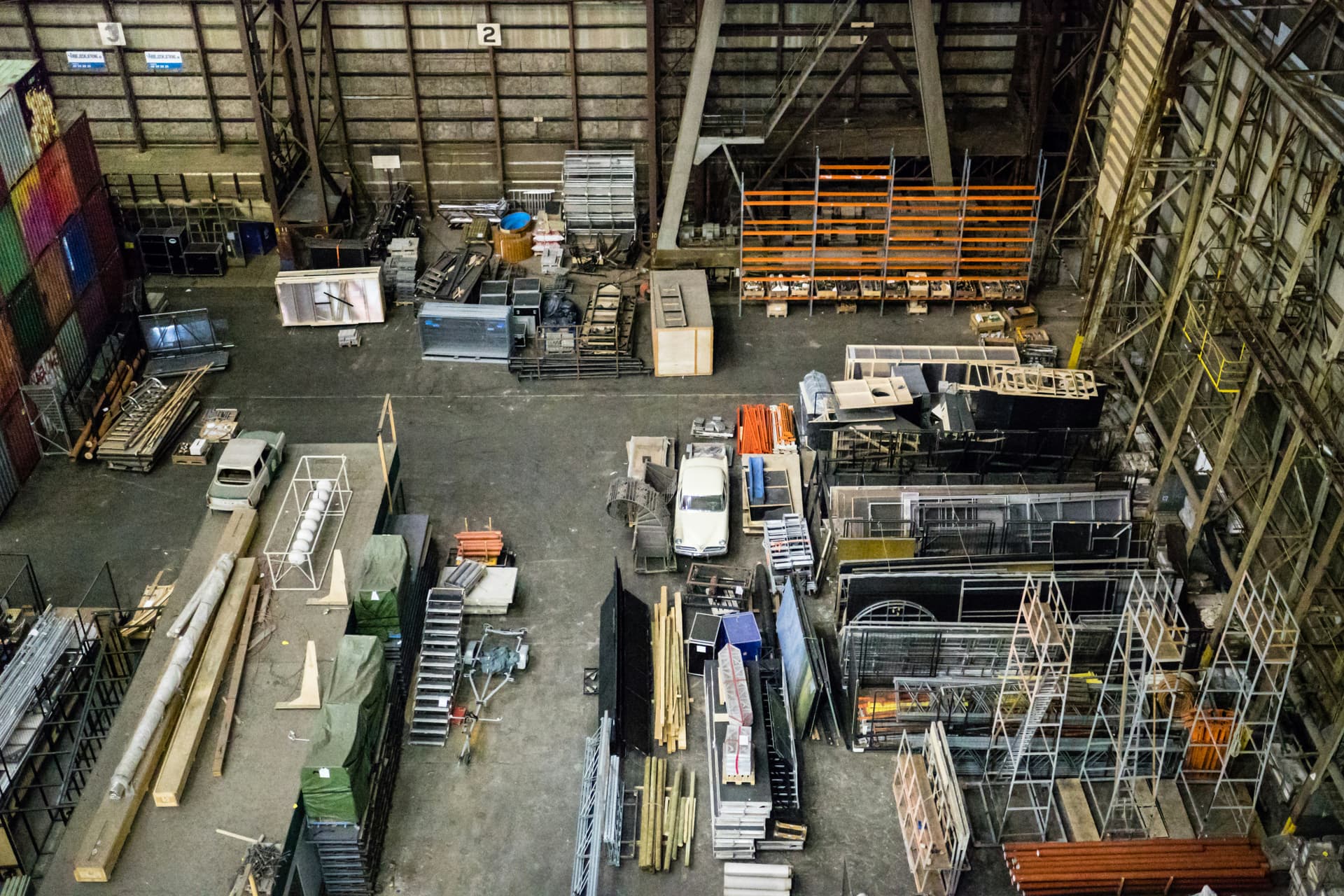
How Surplus Industrial Materials Help Businesses Reduce Procurement Costs

Procurement is one of the largest operating expenses for many manufacturing, construction, engineering, chemical, and industrial businesses. Companies need raw materials, spare parts, machinery components, electrical equipment, chemicals, packaging materials, and other supplies to keep operations running.
Traditionally, businesses purchase these items directly from manufacturers or authorized distributors. However, this approach can become expensive when prices are high, minimum order quantities are large, or imported products involve long lead times.
Surplus industrial materials provide an alternative sourcing channel. These are unused, excess, discontinued, overstocked, or previously purchased materials that are still suitable for industrial use. By sourcing these materials at competitive prices, businesses can reduce procurement expenses without necessarily compromising operational requirements.
What Are Surplus Industrial Materials?
Surplus industrial materials are products that remain unused or underutilized after a company has purchased more inventory than it needs.
They can include:
Mechanical components and spare parts
Electrical and electronic equipment
Motors, pumps, valves, and gearboxes
Construction and engineering materials
Chemicals and industrial raw materials
Packaging materials
Safety equipment
Tools and hardware
Machinery and production equipment
Discontinued or excess inventory
For example, a factory may have purchased hundreds of bearings for a project but only used part of the stock. The remaining bearings can become surplus inventory and may be sold to another business that needs the same specification.
Lower Purchase Prices
The most obvious advantage of surplus sourcing is the potential for lower acquisition costs.
Companies holding excess inventory may prefer to sell it quickly rather than continue paying for storage. Buyers can therefore find materials at prices below those of newly manufactured or standard-distribution inventory.
This can be particularly valuable for businesses that regularly purchase expensive components or materials.
Instead of paying full market price for every item, procurement teams can compare surplus inventory with traditional suppliers and select the most economical option that meets their technical requirements.
Reduced Procurement Lead Times
Lead time is another major cost factor in industrial procurement.
Ordering a component directly from a manufacturer may require production, international shipping, customs clearance, and local transportation. If the component is already available as surplus inventory, some of these steps can be avoided.
Businesses can potentially obtain required materials much faster, helping them:
Avoid production delays
Reduce equipment downtime
Complete maintenance work sooner
Meet project deadlines
Reduce emergency purchasing
Industrial surplus marketplaces can make this process easier by allowing buyers to search for existing inventory by product category, manufacturer, or part number. For example, Pakistan's Surplus.com.pk describes its marketplace as a source for industrial surplus, dead stock, spare parts, and machinery, with buyers able to search listings and request quotations. (Surplus)
Lower Inventory Holding Costs
Excess inventory creates costs even when the products themselves were purchased at a good price.
Businesses may need to pay for:
Warehouse space
Handling
Insurance
Inventory management
Security
Maintenance
Product deterioration
Purchasing surplus materials when they are actually required can help companies avoid unnecessarily building large inventories.
At the same time, companies that already have surplus stock can recover some of their investment by selling unused materials to other businesses.
Access to Hard-to-Find Components
Surplus sourcing can be particularly useful when conventional suppliers no longer manufacture a particular product.
Industrial facilities often operate equipment for many years, meaning they may occasionally require older or discontinued components. Finding these products through conventional procurement channels can be difficult.
Surplus inventories may contain:
Older machine components
Discontinued spare parts
Previous-generation electrical equipment
Excess OEM components
Specialized engineering products
This makes surplus markets useful not only for reducing prices but also for solving difficult sourcing problems.
More Flexibility for Procurement Teams
Traditional procurement often follows fixed supplier relationships and purchasing procedures. Surplus sourcing introduces another option that procurement teams can use when appropriate.
A company can compare:
New product from manufacturer → Surplus product → Refurbished product → Alternative specification
This allows procurement professionals to consider total cost, availability, quality, and urgency rather than automatically selecting the most expensive conventional option.
Supporting a More Circular Industrial Economy
Surplus materials can also contribute to more efficient resource utilization.
Manufacturing products requires raw materials, energy, transportation, and processing. When usable inventory remains unused, those resources can effectively remain tied up in stock.
Selling and reusing surplus materials gives products another opportunity to enter productive use instead of remaining idle or eventually becoming waste.
This approach can support the broader principles of industrial reuse and circular supply chains.
What Businesses Should Check Before Buying Surplus Materials
Lower prices should not be the only consideration. Procurement teams should verify the material carefully before purchasing.
Important checks include:
1. Product Specification
Confirm the exact model number, dimensions, grade, capacity, voltage, material composition, or other technical specifications.
2. Condition
Determine whether the product is new, unused, refurbished, used, or damaged.
3. Quantity
Check the actual available quantity and whether it matches the company's requirements.
4. Storage Conditions
Some industrial products can deteriorate if they have been stored incorrectly or for a long period.
5. Documentation
Where necessary, request certificates, datasheets, batch information, test reports, or other relevant documentation.
6. Supplier Verification
Businesses should evaluate the seller and confirm that the inventory is genuine and accurately represented.
Surplus Materials vs. Traditional Procurement
Factor | Traditional Procurement | Surplus Sourcing |
|---|---|---|
Purchase price | Often standard market price | Can be significantly lower |
Availability | May require manufacturing | Existing stock may be immediately available |
Lead time | Can be long | Often shorter |
Product selection | Usually predictable | Depends on available inventory |
Discontinued products | Difficult to source | May be available |
Inventory flexibility | Often requires planned purchasing | Useful for urgent requirements |
Sustainability | New production required | Encourages reuse of existing stock |
The Role of Digital Surplus Marketplaces
Digital marketplaces are making surplus procurement easier by connecting companies that have excess inventory with businesses that need it.
Instead of contacting multiple suppliers individually, procurement teams can search available stock, compare products, review quantities, and request quotations.
For example, industrial surplus marketplaces can list categories ranging from mechanical and engineering components to chemicals, electrical equipment, construction materials, and safety products. (Surplus)
This creates a more efficient connection between unused inventory and actual industrial demand.
A Smarter Procurement Strategy
Surplus sourcing does not necessarily need to replace traditional procurement. Instead, it can become an additional sourcing strategy.
A practical approach is to:
Identify frequently purchased industrial materials.
Determine which items have high procurement costs.
Search verified surplus inventory for matching specifications.
Compare total costs with conventional suppliers.
Verify quality and documentation.
Calculate transportation and handling costs.
Purchase surplus stock when the overall economics make sense.
Track savings and supplier performance.
This approach allows procurement teams to use surplus inventory strategically rather than simply choosing the cheapest available product.
Sulphuric Acid (60%) CAS: 7664-93-9